
Menu
Fountain Valley
Piano
Adventure
I am a chicken
Chicken a la king
Class Content
01
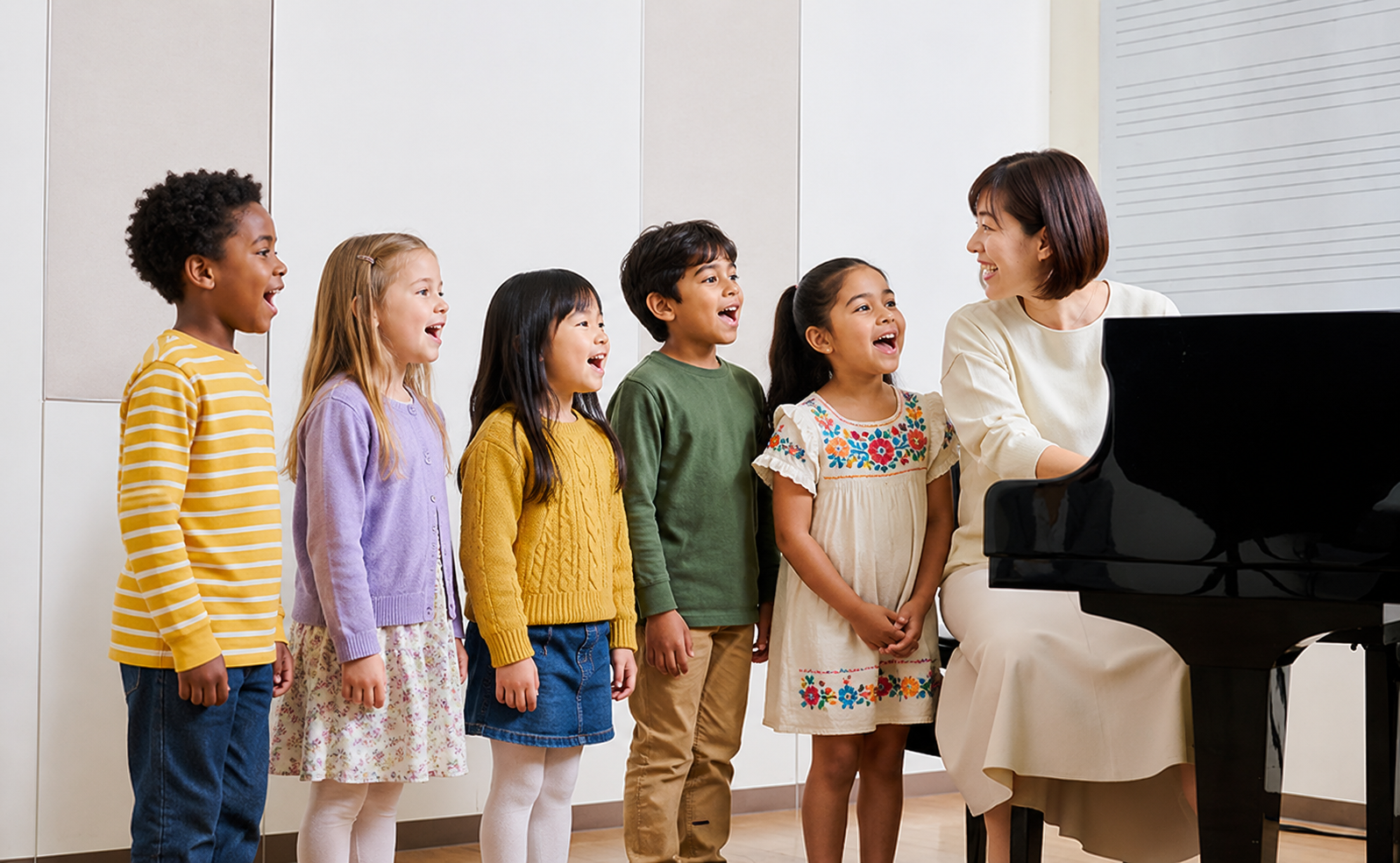
Enjoyment That Lights Up the Brain
Actively answering the teacher’s musical questions boosts the sense of reward and keeps children engaged, class after class.
02
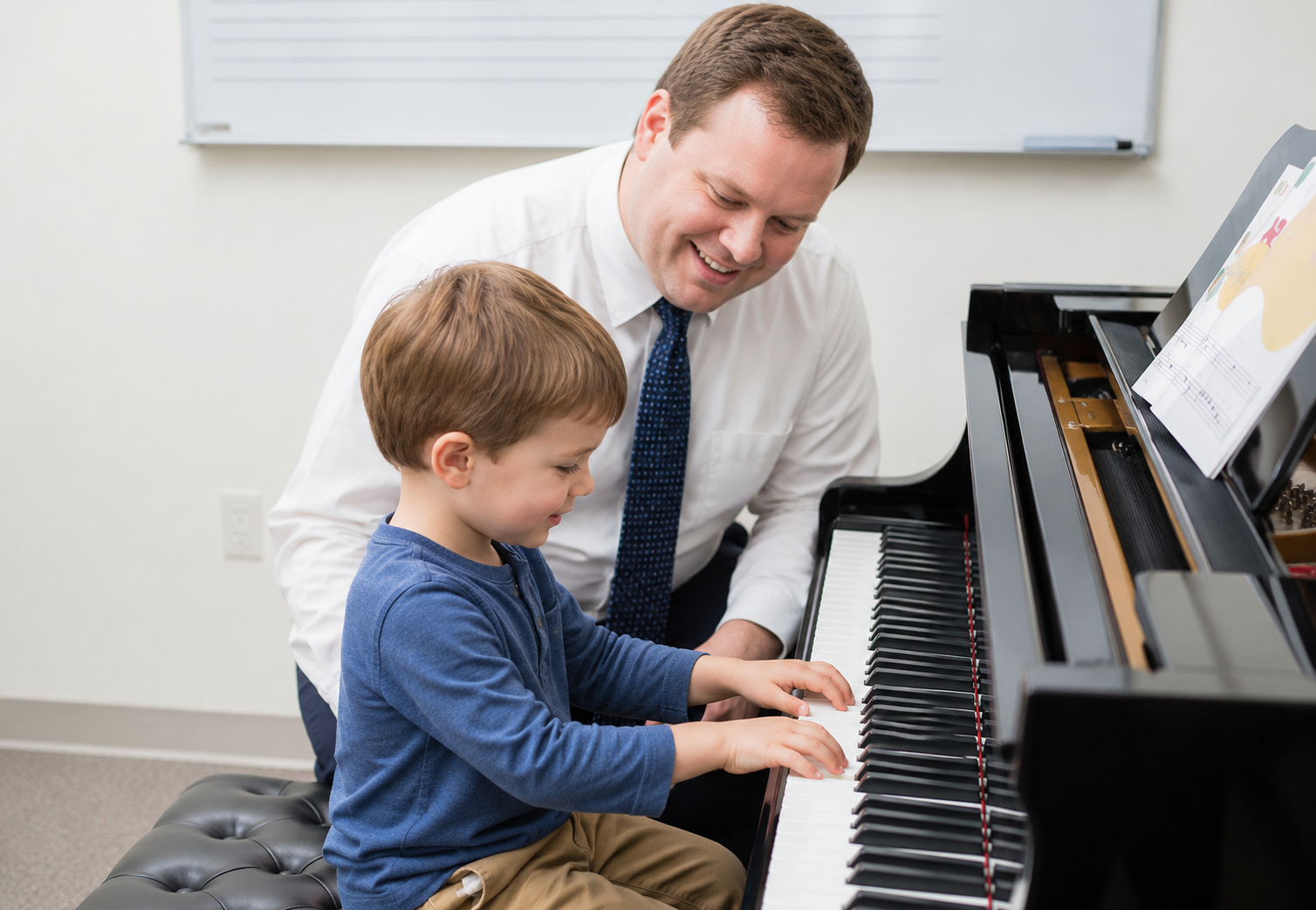
Rhythm & Beat
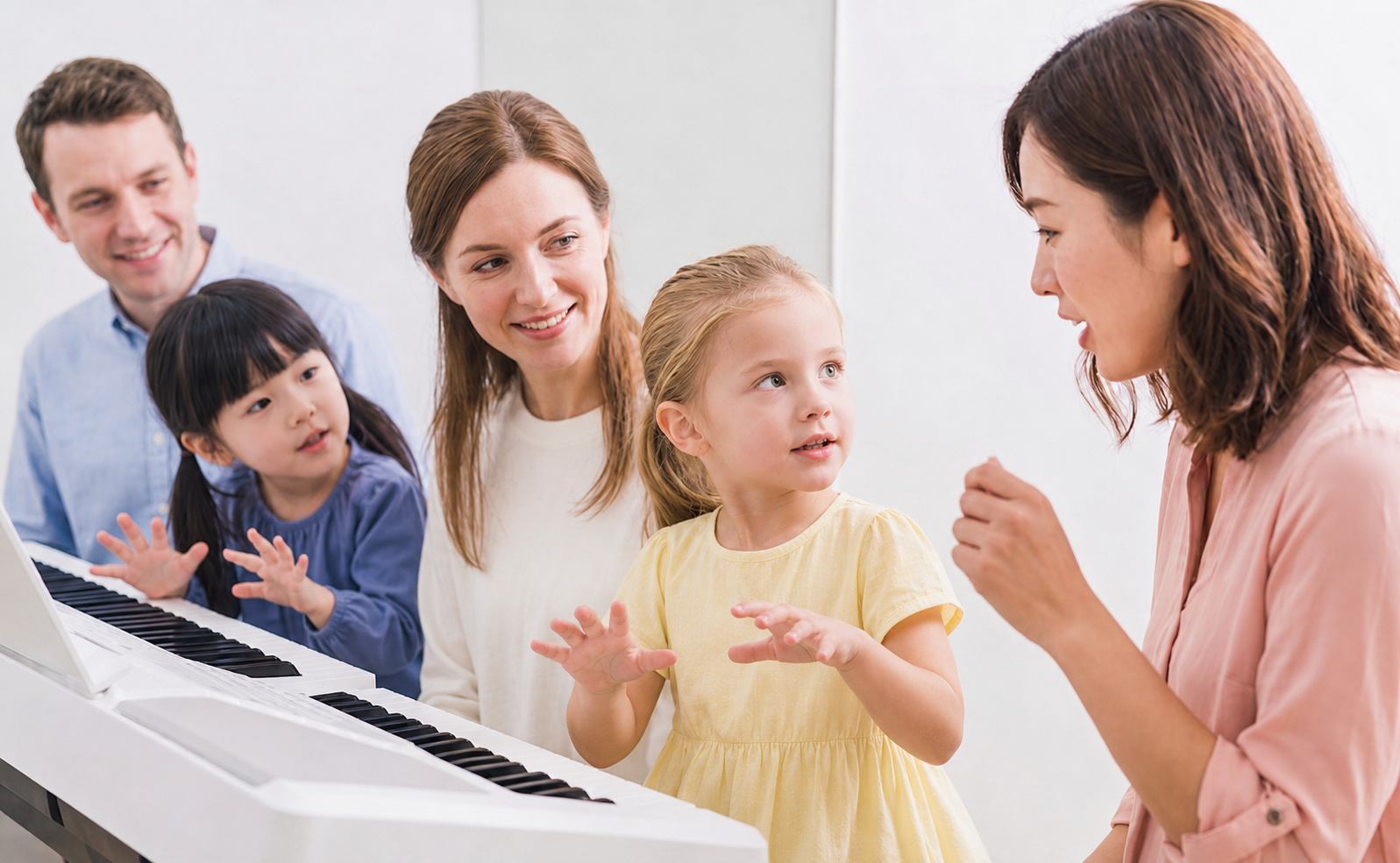
Playing, singing and moving in rhythm all at once expands students’ aural world, and keeping the beat together makes learning fun.
03
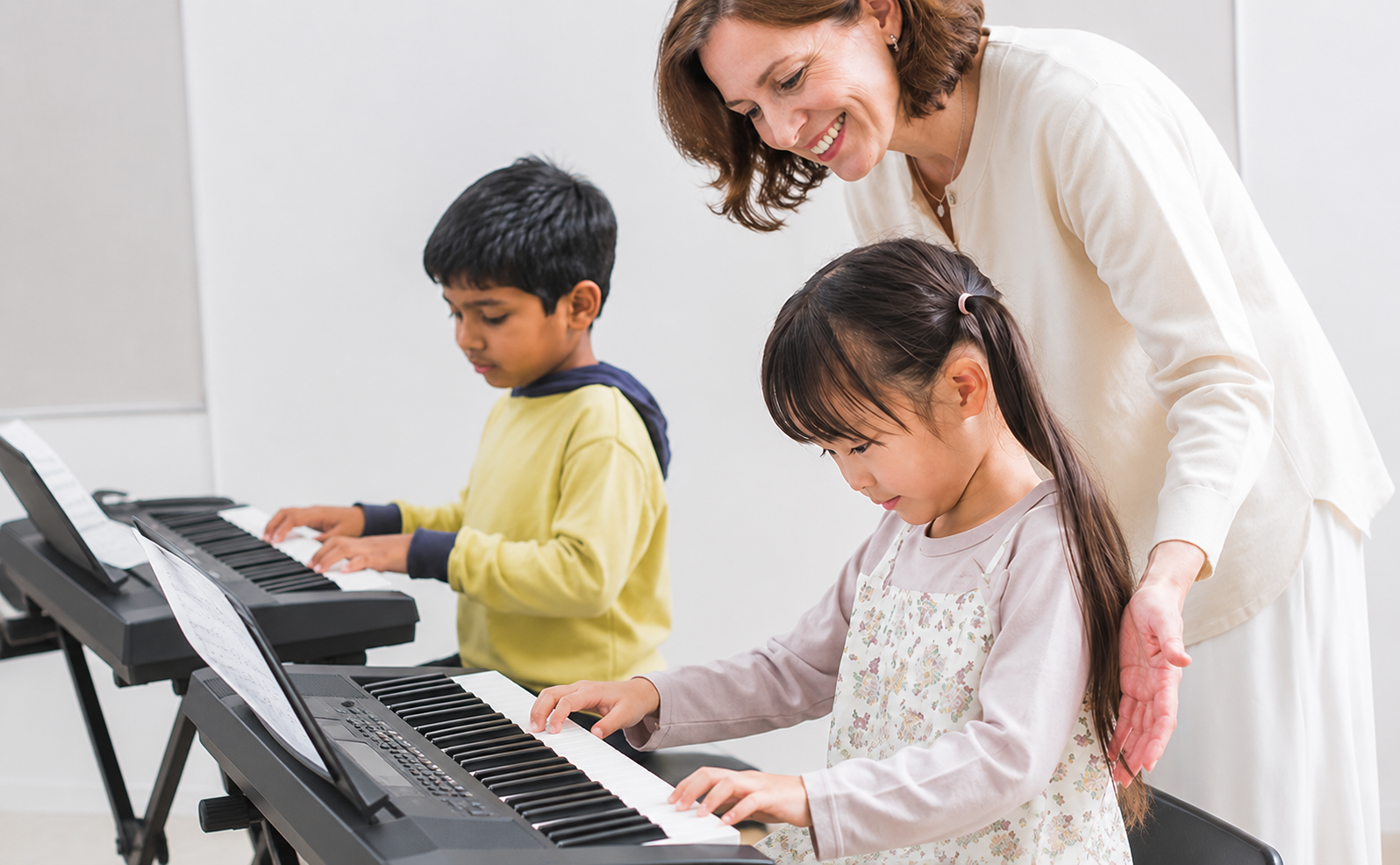
Senses Linked
Character play in class explores musical patterns, high and low pitch, long and short notes, and loud and gentle sounds, blending the joy of play with musical feeling.

04
Discovery & Coordination
Connecting pictures with notes intuitively builds eye, hand and ear coordination.
05
Expression & Performance
Riding the energy of the group, team play sets the stage for beginners to express more than just the notes on the page and bring music to life.
06
Music Fundamentals
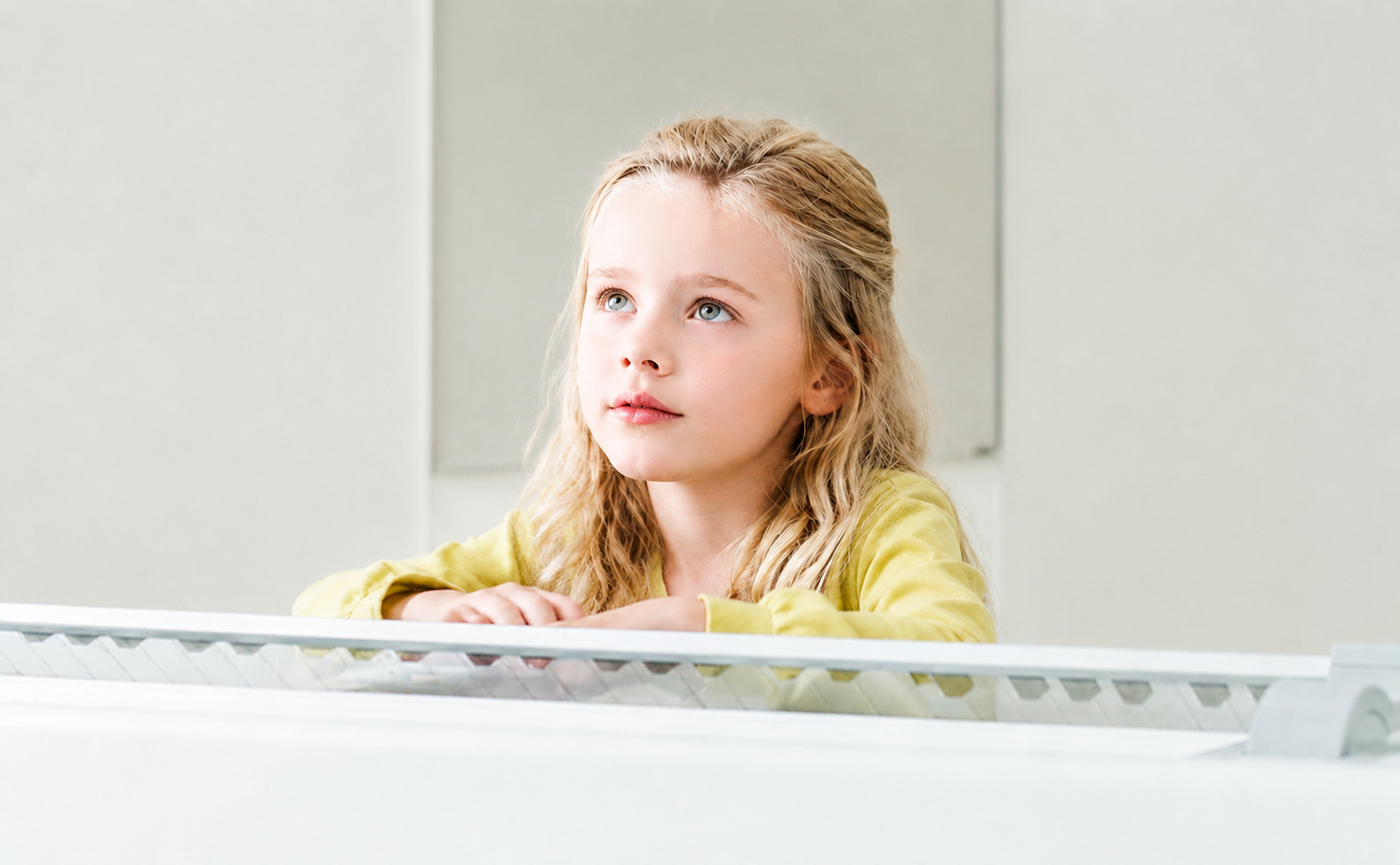
Captures children’s playful spirit while an early musical foundation is laid with comfort, as beginners make their first connections with the keyboard.
Watch the Film
Take a short tour of My First Piano Adventure Course
See Musical Growth Unfold
Four areas of musical ability blossom over 18 months in My First Piano Adventure. Scroll, or tap a stop, to see how.
Listening & Senses
Understanding sensory cues before reading.
Improve as an individual through listening and class collective efforts.
Little hands, sound, and touches blend together alive.
Keyboard Skills
Finger form and gross-motor skills developed.
Beginner keyboard skills developed, and both hands play together.
Finer dexterity and kinesthetic motion team up to keep music moving smoothly.
Reading & Repertoire
Recognize a variety of musical patterns.
Small reading progression emerged.
Learn with pieces by famous composers.
Expression & Joy
Play with expression, and experience the satisfaction and joy of sharing music.
Experiencing higher physical output.
Play with a greater sense of musical intention, and begin to develop as little musicians.
Piano Adventure
Tap a topic above to learn more

Age
My First Piano Adventure course welcomes children ages 4 to 5. Music exploration begins early, while little ears, voices, and imaginations are most open to absorbing new sounds — much like a first language.
Draft copy — confirm exact age cutoff
Class Length
Each level runs roughly one year, with an informal sharing for parents at the close of each semester. Children typically move through several levels of New Primary Course before advancing into Junior Music Course (JMC).
Draft copy — confirm semester structure
Parent's Role
One parent or guardian attends every class alongside their child. At this age, a familiar voice and presence in the room is what lets a child relax, play, and absorb music naturally — the bond built in class carries home into daily life.
Draft copy — confirm wording
Tuition
Monthly tuition is calculated from the number of lessons scheduled per year, so your family pays the same predictable amount each month. A discount is available for 6-month or 12-month advance payment.
Draft copy — insert real rate / pull from tuition database
Materials
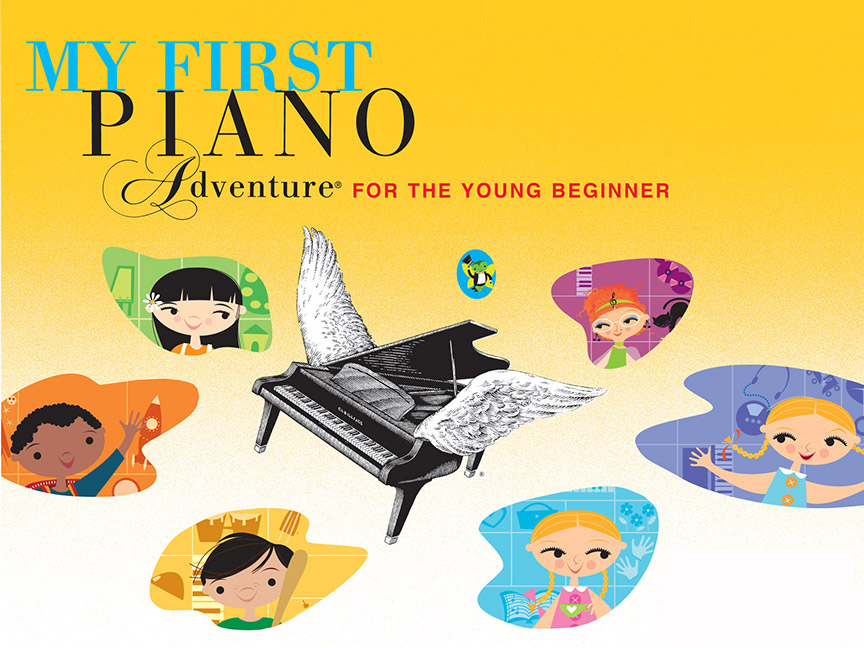
Lesson materials include a colorful textbook and matching workbook for each semester, designed with bright illustrations and characters that make following along easy for young children.
Draft copy — swap in real materials photo/list
Instrument
Access to a piano or keyboard at home helps reinforce what's learned in class. If your family doesn't have one yet, reach out and we're happy to recommend the right unit for getting started.
Draft copy — confirm wording
Performance Opportunity
Children take part in a relaxed class showcase at the end of each semester — a low-pressure first taste of performing for family and friends that builds confidence well before the spotlight feels like pressure.
Draft copy — new section, please confirm
Class Format
Classes are taught in small groups, typically 6–8 children with a parent alongside each one. Learning music together — not alone — builds skills like listening, turn-taking, and ensemble awareness that one-on-one lessons can't offer on their own.
- Small group setting (approx. 6–8 children)
- One parent/guardian per child
- Weekly group lesson